The "Samurai" from Jizzakh: Patokh Chodiev — Intellectual Capital, the Burden of Billions, and a Belated "Homecoming"
AI Summary
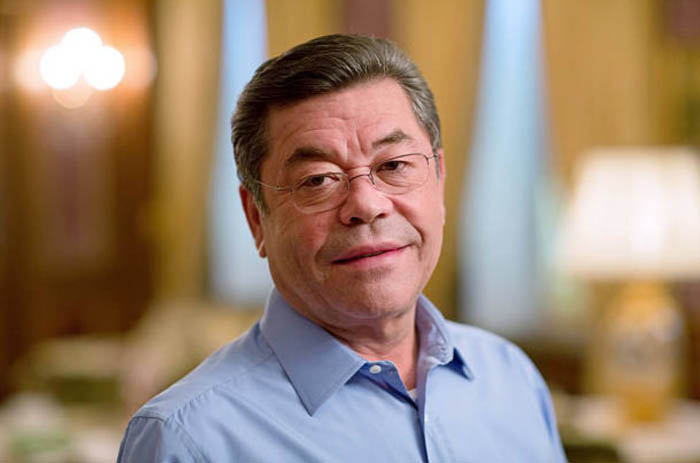
In the global business hierarchy, capital is measured not only by resource control but also by the ability to maneuver within complex legal environments. In some cases, the interests of a single corporate entity intersect with procedural shifts in the judicial systems of sovereign states. Today, we analyze the institutional evolution of Patokh Chodiev, a Jizzakh-born active participant in the international financial and legal arenas, and the ENRC corporation he co-founded. This is a chronicle of the interplay between international financial markets, corporate governance, and legal settlements.
The economic rise of Patokh Chodiev is directly linked to the privatization of Kazakhstan’s natural resources in the 1990s. Alongside Alexander Mashkevich and Alijan Ibragimov (the group known internationally as the "Eurasian Trio"), he implemented systemic vertical integration in the strategic raw materials market. Today, the Eurasian Resources Group (ERG) under their control manages a significant portion of global chromium production and the bulk of Kazakhstan's steel industry. The consolidation of these assets in 2007 paved the way for ENRC’s debut on the London Stock Exchange (LSE) with a market capitalization of £6.8 billion.
Chodiev’s influence in international legal circles was highlighted by the "Kazakhgate" incident in Belgian judicial history. In the late 1990s, Belgian prosecutors investigated the payment of $55 million by Belgian energy giant Tractebel to entities controlled by Chodiev for projects in Kazakhstan. However, in June 2011, the Brussels prosecutor's office dropped all claims through a "criminal transaction" (pre-trial settlement law). Patokh Chodiev and his partners made a settlement payment of 522,500 euros. Chodiev's lawyers described the allegations in the case as baseless and viewed the settlement as an effective measure to end a prolonged legal process due to "reasonable delay". According to the Financial Times, a spokesperson for the Belgian prosecutor confirmed that no judgment was rendered following this agreement and the defendants remained under the "presumption of innocence".
The corporation’s financial stability faced a severe test by 2013. The UK’s Serious Fraud Office (SFO) announced an investigation into the company’s activities in Kazakhstan and Africa. Amid these reports and internal governance conflicts, ENRC’s share price plummeted by nearly 80% from its 2010 peak. In November 2013, the company delisted from the London Stock Exchange. For political and legal analysts, this case represented a collision between global corporations and transparency requirements. However, the legal outcome was unexpected: on August 24, 2023, the SFO announced the closure of the ten-year investigation due to "insufficient evidence to bring a prosecution". ERG representatives welcomed the decision, noting specifically that no charges were brought against the company or its executives.
In recent years, analysts have been observing Patokh Chodiev's increased activity in Uzbekistan, particularly through social projects of the International Chodiev Foundation (ICF). According to political risk analysts, such strategic philanthropic projects may serve as effective "soft power" amid international pressures and geopolitical shifts. Chodiev’s construction of schools in Jizzakh or humanitarian aid in Sirdaryo are seen as part of a long-term strategy to strengthen his legitimacy in the region.
The Patokh Chodiev phenomenon illustrates a complex balance between economic power and legal protection. His history demonstrates the technology of protecting global capital activities not just through market dominance but through legal precedents.